


Welcome to BoardCast

Hi, I’m Saraswathi Ramachandra.
I am a senior leader with over two decades of experience across strategy, governance, and executive decision making.
My work spans board advisory, business transformation, enterprise risk, and operating model design, with a sustained focus on how judgment is exercised under pressure.
Through Boardcast, I examine the governance failures and articulate what better boardroom judgment demands.
To know more visit www.saraswathiramachandra.com
Our Boardcast Interviews


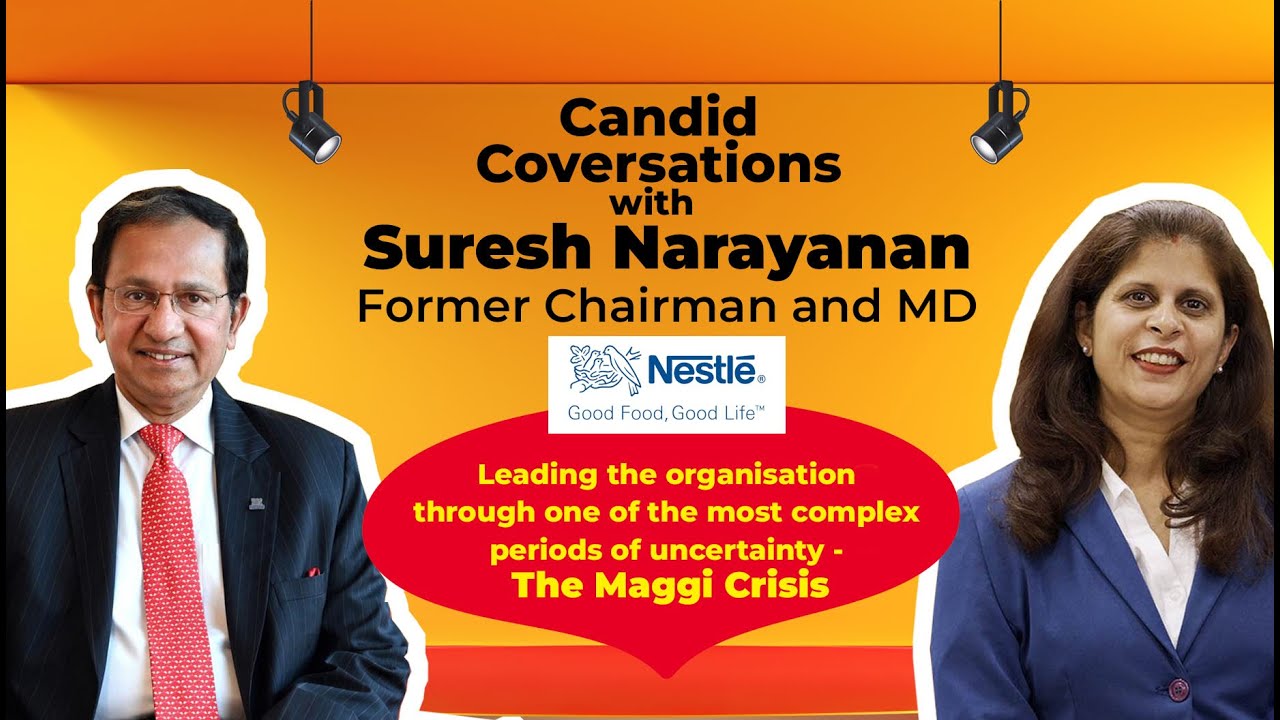
Candid Coversations with Suresh Narayanan,
Ex CEO, Chairman and MD Nestle India

In a rare and deeply reflective conversation, Suresh Narayanan takes us inside a crisis he did not create, but was entrusted to resolve. Moving beyond compliance checklists and post-facto explanations, the discussion explores how even mature governance systems can miss early warning signals, how boards struggle with ambiguity under pressure, and why waiting can quietly become the biggest risk of all. Narayanan speaks candidly about moments when data failed to give answers, values demanded costly choices, and whether leadership became profoundly lonely. This is not a story of rules followed, but of judgment exercised, where human stakes, board courage, and ethical clarity ultimately shaped trust, recovery, and long-term value.
Our Guest Speakers


Ramkumar Narayanan
Executive VP, Enterprise AI & Data Platforms | Head of FIS India & Philippines | Board Member | Member nasscom GCC Council


Som Mittal
Chairman , Patients for Patient Safety Foundation
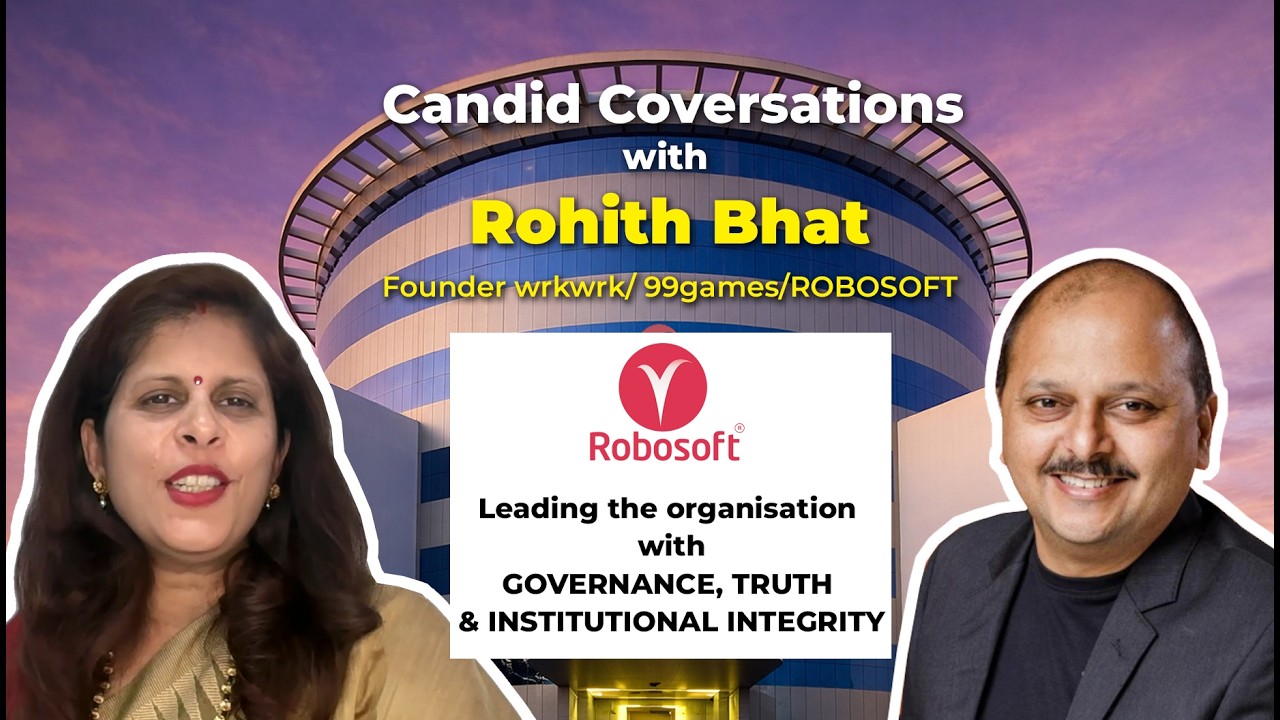
Watch Interview >>


Subramanya C
Ex President & Global CTO at Sagilityhealth (formerly HGSHealthcare)

Watch Our Interviews



What Boardcast Examines?
Three formats. One governance lens.
12 Governance
Expert Interviews
-
Critical descisions and dilemmas
-
Power dynamics
-
Practical governance insights
45-90 mins Long-form experience led

12 Real Case Documentaries
-
Corporate success and failures
-
Warnings and missed interventions
-
Leadership and governance lessons
18 to 30 min
Longform narrative-driven

100 micro Learning Reels
-
Decision making gaps
-
Power & bias
-
Boardroom dynamic
-
Ethics & accountability
60-90 sec
One idea per reel


Our Case Documentaries


Describe your image

What We show in our Documentaries?
When a case demands depth, we slow down.
Our documentaries unpack:
-
Board decisions across time
-
Structural governance blind spots
-
Cultural and incentive failures
-
The cost of delayed courage
Each documentary balances storytelling, data, and governance frameworks — leaving viewers better informed, not overwhelmed.
Watch Our Documentaries


Boardcast Blogs


Behind the Scenes


