


Welcome to BoardCast.
Hi, I’m Saraswathi Ramachandra.
I am a senior leader with over two decades of experience across strategy, governance, and executive decision making.
My work spans board advisory, business transformation, enterprise risk, and operating model design, with a sustained focus on how judgment is exercised under pressure.
Through Boardcast, I examine the governance failures and articulate what better boardroom judgment demands.
To know more visit www.saraswathiramachandra.com

Our Boardcast Interviews
Episode -06
Candid Coversations with Prof Sadagopan,
Founding Director IIIT Bangalore, Former Chairman BoG, IIITDM-Kancheepuram
What is the interview about?
Professor Sadagopan’s interview is a masterclass on institution building, learning, technology, and leadership. Drawing from decades of experience as the founding director of IIIT Bangalore and a contributor to India’s digital transformation journey, he emphasizes that trust, people-first thinking, and continuous learning are the foundations of great institutions. He argues that technology should enhance—not replace—the learning process, highlighting the importance of curiosity, questioning, and lifelong learning. He advocates for hybrid education, personalization through technology, and inclusive, population-scale digital systems designed with privacy, security, and accessibility at their core. Above all, he stresses that education must focus on creating meaningful impact, empowering individuals to make a difference to society and the nation.


Our Guest Speakers


Subramanya C
Ex President & Global CTO at Sagilityhealth (formerly HGSHealthcare)

Sajith T.C
Advisor & Mentor to Board and CXOs
Watch Interview >>
Our Interviews


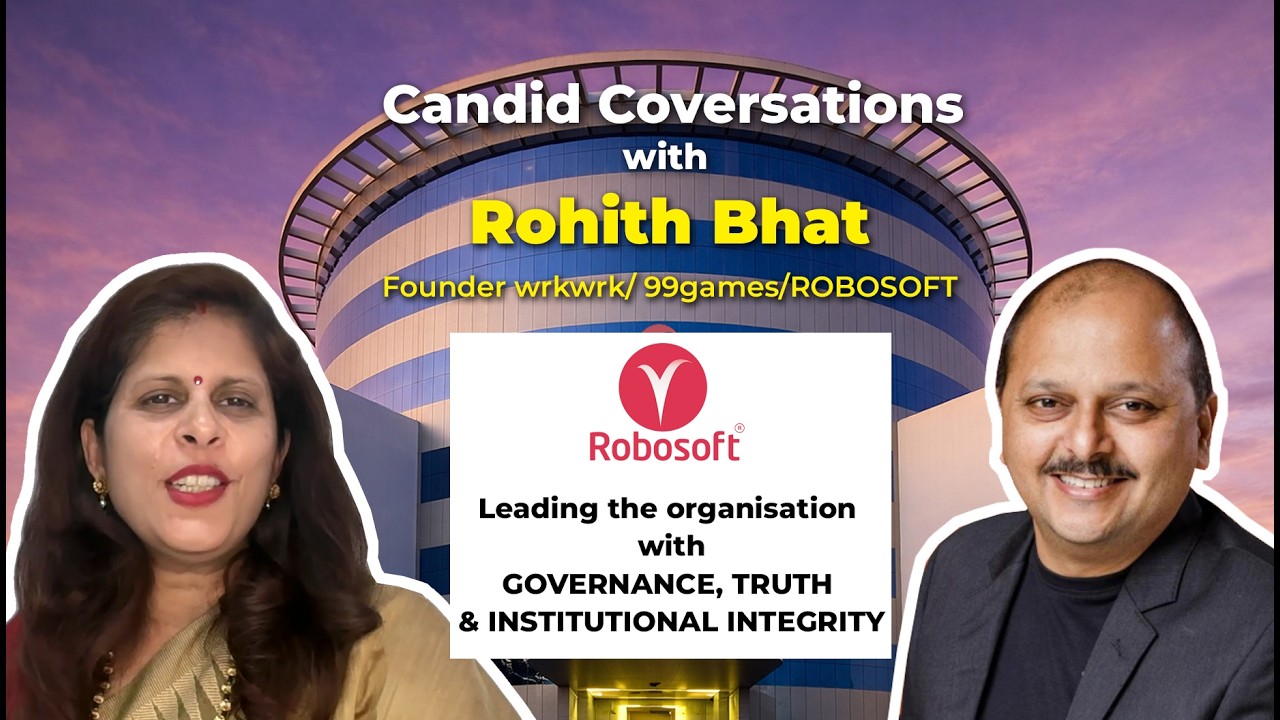
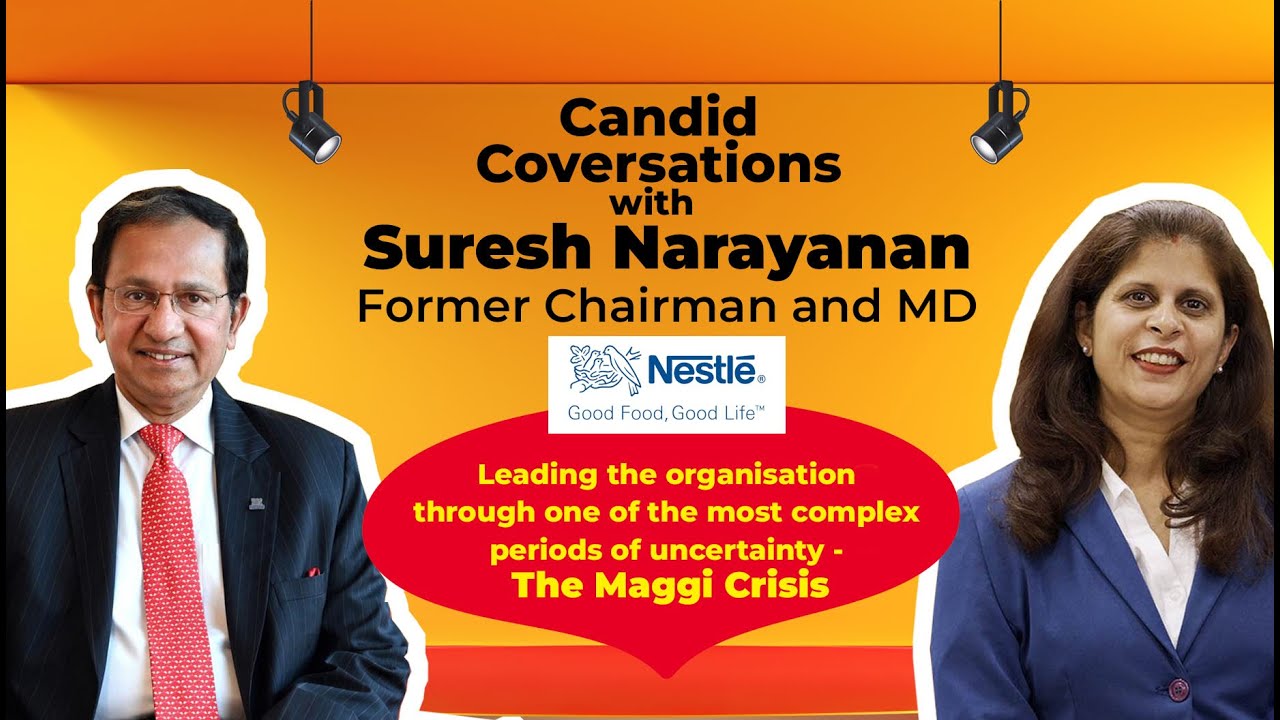
Our Interviews

What Boardcast Examines?
Three formats. One governance lens.
100 micro Learning Reels
-
Decision making gaps
-
Power & bias
-
Boardroom dynamic
-
Ethics & accountability
60-90 sec
One idea per reel

12 Real Case Documentaries
-
Corporate success and failures
-
Warnings and missed interventions
-
Leadership and governance lessons
18 to 30 min
Longform narrative-driven

12 Governance
Expert Interviews
-
Critical descisions and dilemmas
-
Power dynamics
-
Practical governance insights
45-90 mins Long-form experience led


Our Case Documentaries


Describe your image

What We show in our Documentaries?
When a case demands depth, we slow down.
Our documentaries unpack:
-
Board decisions across time
-
Structural governance blind spots
-
Cultural and incentive failures
-
The cost of delayed courage
Each documentary balances storytelling, data, and governance frameworks — leaving viewers better informed, not overwhelmed.

Documentary Factology


For decades, Johnson & Johnson generated and reviewed internal test results showing asbestos contamination in its talc products, with some tests dating back to the 1970s. Yet the product remained on the market for daily consumer use for more than 40 years. When the data finally surfaced publicly, the impact was measurable and immediate: 38,000+ lawsuits filed, billions of dollars in jury verdicts and settlements, and a rare corporate maneuver to isolate liability through a subsidiary bankruptcy. The data existed early. The cost of ignoring it multiplied over decades.
Boardcast Blogs


Behind the Scenes


